
Explore Labuan Bajo: Land Tours & Mainland Adventures
As the official gateway to Komodo National Park, every traveler visiting the islands passes through the vibrant harbor town of Labuan Bajo. While Flores is world-famous for its marine tourism, the mainland itself boasts extraordinary natural beauty, unique landscapes, and a deep cultural heritage.
If you have time before or after your Komodo island-hopping cruise, we highly recommend setting aside a day to discover the hidden gems on land. To make your planning seamless, we have curated the most popular mainland attractions into convenient day tours and customized packages.
Top Land Attractions to Add to Your Itinerary:
- Rangko Cave or Gua Rangko
- Mirror Cave or Batu Cermin
- Bukit Silvia or Silvia Hill for Sunset
- Cunca Plias Waterfall
- Melo Traditional Village
- Cunca Wulang Canyon Waterfall
- Cunca Rami Waterfall
- Todo Village
- Cancar Spiderweb rice field
- Wae Rebo Village
- Nuca Molas Jurassic park
Rangko Cave or Gua Rangko
Rangko Cave is a beautiful limestone cave located on the mainland of Flores near Labuan Bajo. It is famous worldwide for its clean, sun-lit underground pool. Because the water has an exceptionally high salt and mineral content, you can swim and float completely effortlessly inside the cave.
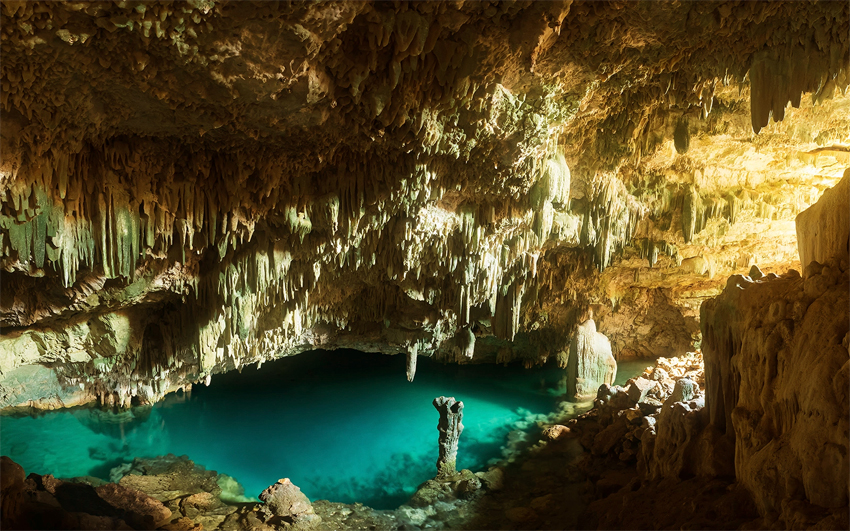
The Highlight: The Glowing Blue Pool
- Natural Cave Pool: The cave is filled with clean seawater through a hidden underground connection to the ocean.
- The Light Phenomenon: Between 12:00 PM and 3:30 PM, sunlight enters the cave opening at a perfect angle. This lights up the dark chamber and makes the water glow in a beautiful turquoise-blue color.
- Ancient Rock Formations: Beautiful ancient stalactites hang down from the ceiling over the water, creating an amazing background for swimming and taking photos.
Mirror Stone Cave (Goa Batu Cermin)
Mirror Stone Cave is an amazing natural attraction located right in the suburbs of Labuan Bajo. Famous for its ancient sea fossils and sparkling rock tunnels, this site is one of the easiest and most popular land day-trips to add to your itinerary.
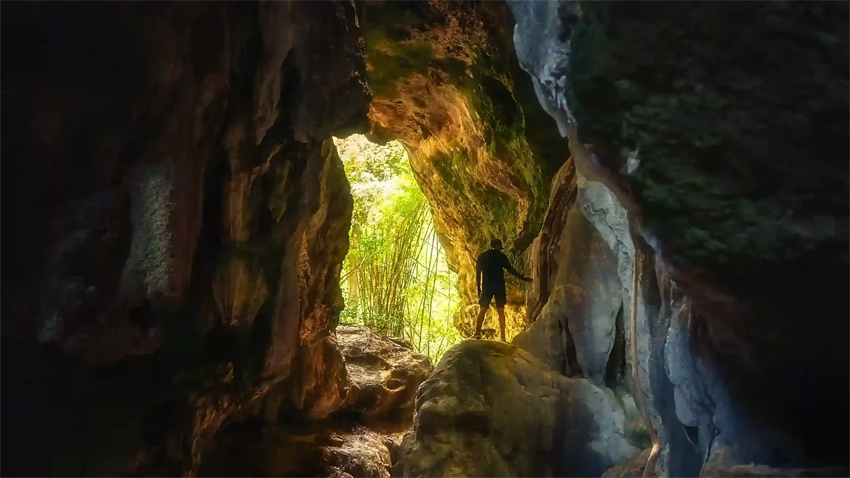
The Name & Light Phenomenon
- The Mirror Effect: The cave gets its unique name because natural sunlight shines through small cracks in the ceiling and bounces off the limestone walls.
- Sparkling Stone Walls: Because the rock walls contain high amounts of natural salt and minerals, the smooth stone surfaces sparkle and reflect light like a mirror, lighting up the dark cave.
- Best Time to Visit: To see this magical mirror effect, you must visit between 9:00 AM and 12:00 PM. The sun needs to be high in the sky to shine directly through the small ceiling cracks.
Sylvia Hill (Bukit Sylvia)
- Scenic Viewpoint: Beautiful lookout spot located just outside downtown Labuan Bajo.
- Epic Sunsets: Easiest and best land spot for 360-degree sunset views.
- Archipelago Panorama: Overlooks the Flores Sea and the Komodo islands.
- Rolling Ridges: Features smooth grass hills dropping into quiet ocean bays.
- Seasonal Colors: Changes from bright green to beautiful golden-brown.
- Harbor Views: Tracks traditional wooden Pinisi boats sailing below.
- The Golden Hour: Best to arrive between 4:30 PM and 5:15 PM.
- Sky Transformation: Watch the horizon turn from gold to deep purple.
Cunca Plias Waterfall
Cunca Plias is a beautiful, multi-level hidden waterfall located in Wae Lolos Village. It is about a 1 to 1.5-hour drive inland from Labuan Bajo. Nicknamed part of the “Land of a Thousand Waterfalls,” it offers a quiet, uncrowded alternative to the more famous Cunca Wulang Canyon.
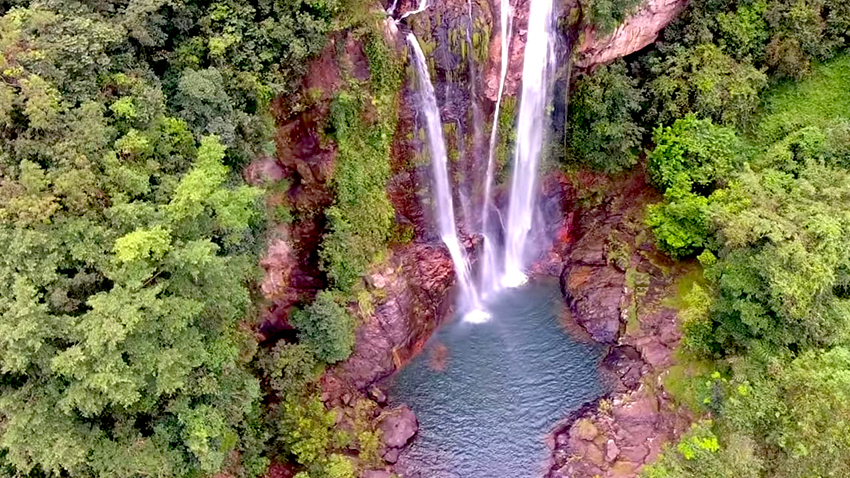
Key Highlights & Features
- Natural Pools: The upper levels have clear mountain water. It pools right at the rock edge. Swimmers get wide jungle views.
- Hidden Jungle: The site is hidden in a tropical forest. You can explore five different waterfalls nearby.
- Healing History: In the local language, “Cunca” means waterfall. “Plias” means protection or good luck. Ancestors used the water to wash away sickness.
Melo Traditional Village
Melo Traditional Village (Compang To’e Melo) is an authentic cultural getaway located in the highlands of Flores, East Nusa Tenggara. Situated roughly 624 meters above sea level, it sits about 17 kilometers (a 40-minute drive) from the coastal town of Labuan Bajo. This village serves as a major cultural gateway for travelers wanting to experience the heritage, rituals, and hospitality of the indigenous Manggarai people away from the typical beach itineraries.
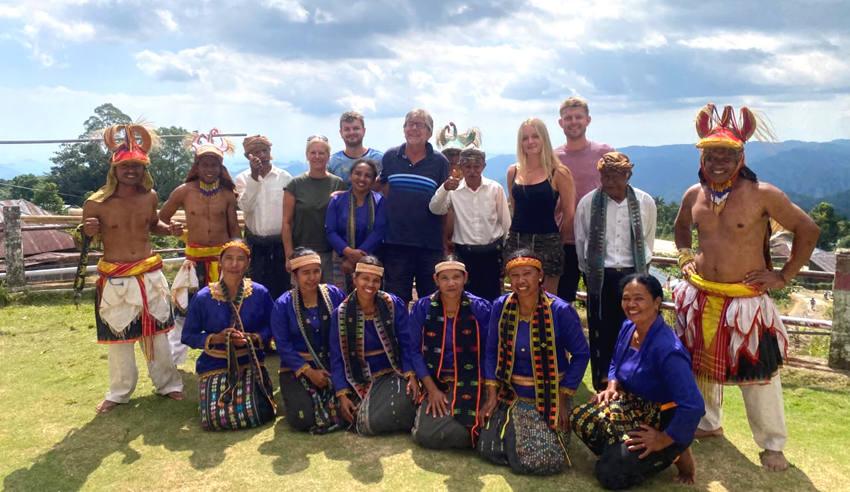
Key Cultural Attractions
- Caci Dance: An iconic Manggaraian ritual whip fight performed in traditional costumes, masks, and shields.
- Welcome Ceremonies: Guests receive warm hospitality from village elders with local ethnic textiles and traditional Tuak palm wine.
- Alu: A traditional, participatory bamboo pole jumping game that tests your rhythm and agility.
- Compang Altar: A sacred stone altar symbolizing the center of life and ancestral worship.